
The Many Benefits of Cold Laser Therapy
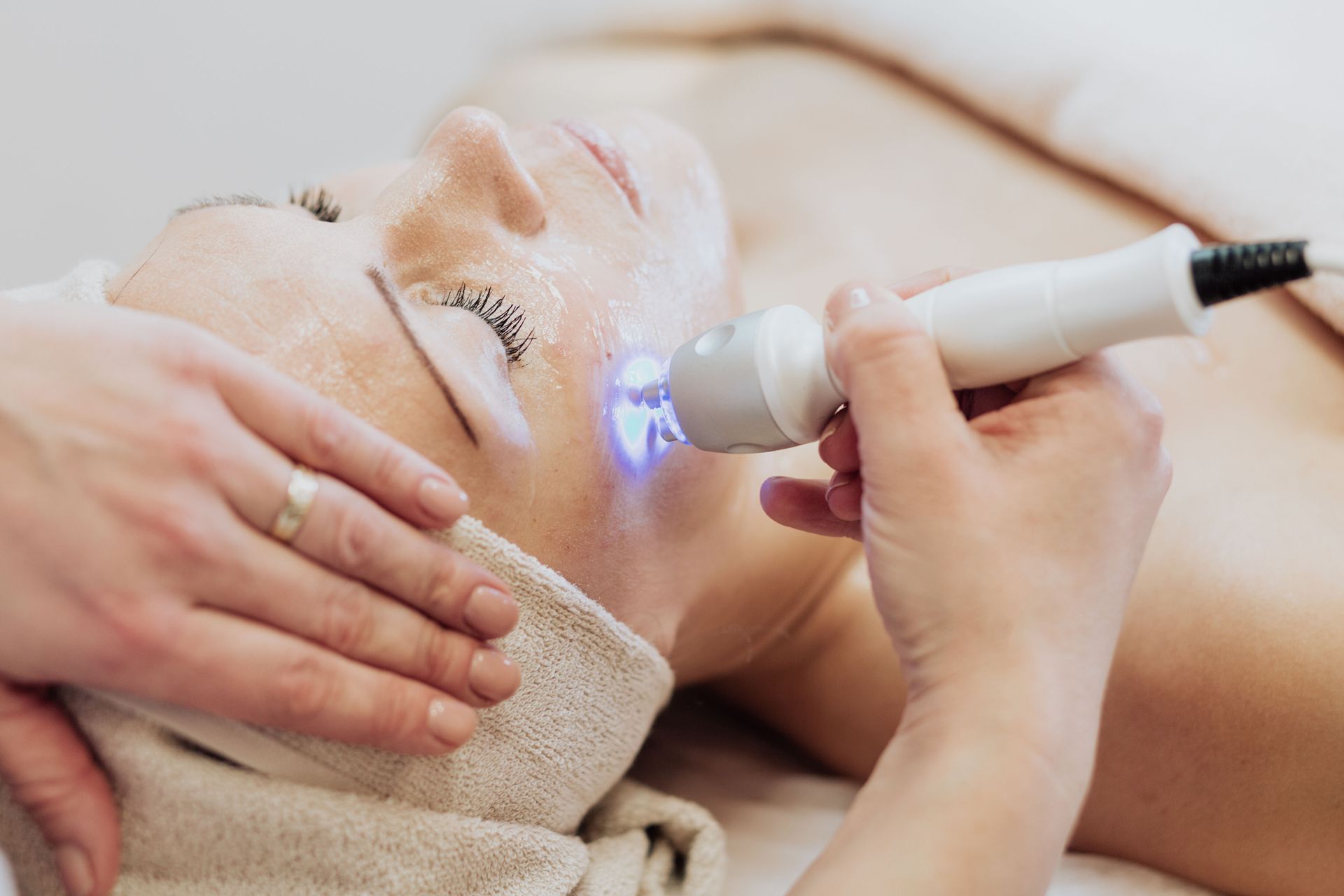
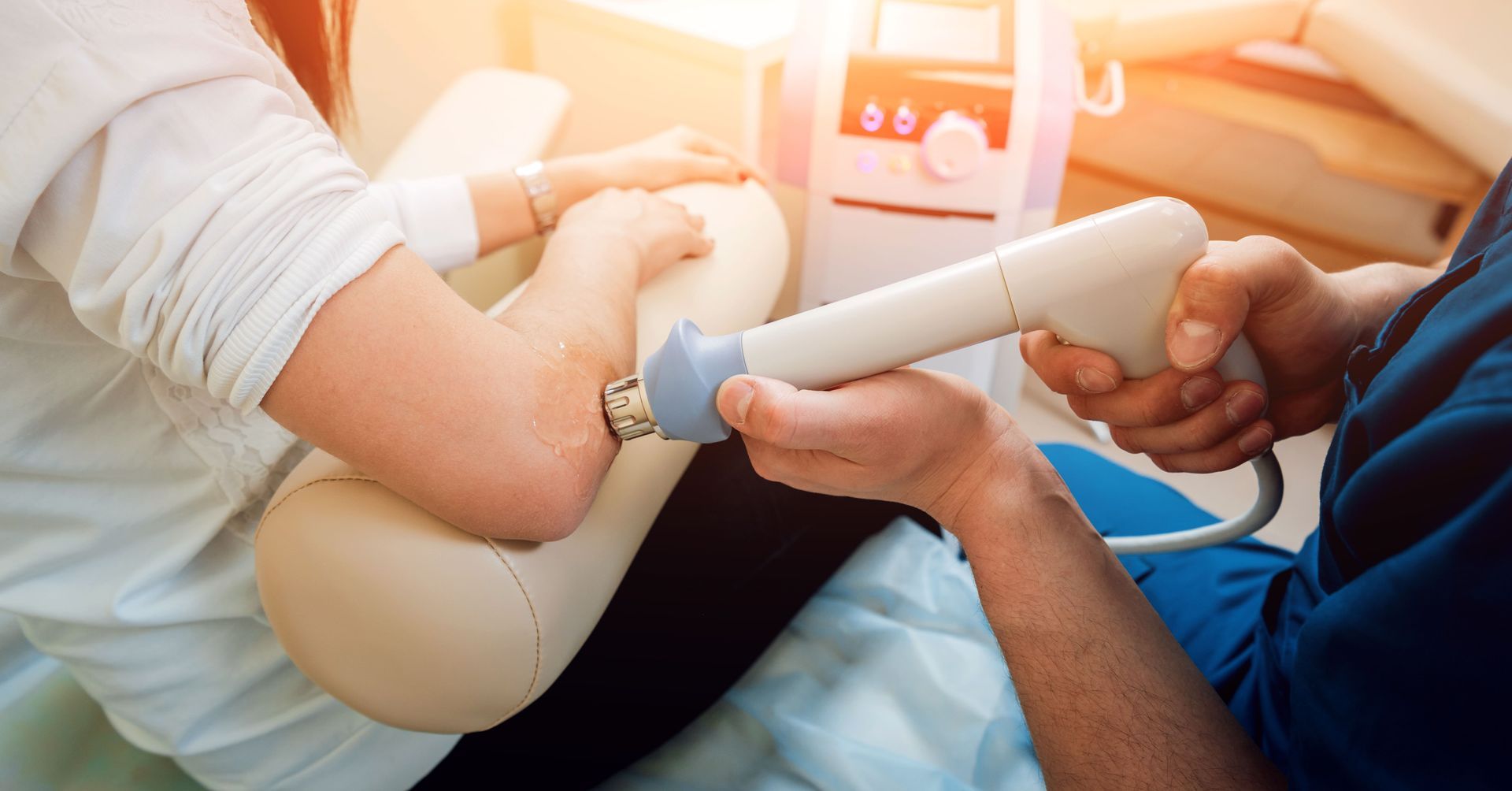
Cold laser therapy, also known as low-level laser therapy, is a modern medical treatment that utilizes specific wavelengths of light to interact with tissue, offering a wide range of health benefits. As a non-invasive treatment, cold laser therapy has gained popularity among healthcare professionals and patients for its ability to accelerate healing and manage pain effectively. By understanding the underlying mechanisms and applications, we can appreciate its role in improving patient outcomes. In this extensive exploration of cold laser therapy, we will investigate its science, clinical applications, safety, and future directions.
Pain Management and Relief
Reducing Inflammation
One of the primary applications of cold laser therapy is its role in reducing inflammation, which is a common cause of pain. By modulating inflammatory pathways at the cellular level, the therapy helps to alleviate swelling and redness in affected areas. This reduction in inflammation is particularly beneficial for patients with conditions such as arthritis and bursitis. Clinical studies have shown that patients often experience reduced pain levels shortly after undergoing laser treatment. This makes local cold laser therapy a preferred option for those seeking a non-pharmacological approach to pain management.
Accelerating Tissue Repair
In addition to reducing inflammation, cold laser therapy accelerates tissue repair, leading to faster recovery times. The therapy enhances collagen synthesis, which is vital for rebuilding and strengthening damaged tissues. By improving blood flow and nutrient delivery to the affected area, the healing process is further expedited. This is especially beneficial for conditions involving muscle strains, ligament sprains, and soft tissue injuries. Patients undergoing local cold laser therapy often report quicker return to normal activities compared to traditional treatment methods.
Managing Chronic Pain Conditions
Cold laser therapy has shown promise in managing chronic pain conditions, providing relief to patients who have exhausted other options. Conditions such as fibromyalgia, neuropathy, and chronic neck and back pain have responded positively to laser treatment. The therapy's ability to stimulate cellular processes and modulate pain pathways makes it effective for long-term pain relief. According to MedicalNewsToday, for over 40 years, cold laser therapy has been used by doctors with positive results. Combined with other therapeutic strategies, cold laser therapy forms an integral part of comprehensive pain management plans.
Enhancement of Healing Processes
Improving Circulation
Cold laser therapy enhances circulation, a key factor in promoting healing processes within the body. By improving the delivery of oxygen and nutrients to damaged tissues, the therapy supports cellular repair and regeneration. Enhanced circulation also aids in the removal of waste products, reducing the potential for inflammation and infection. Patients often experience improved recovery rates as a result. This circulatory improvement is a cornerstone of the therapy's effectiveness in accelerating healing.
Facilitating Wound Healing
Cold laser therapy is particularly effective in facilitating the healing of wounds, including chronic and non-healing types. By promoting collagen production and tissue granulation, laser treatment supports the closure of wounds. It has been utilized successfully in diabetic ulcers, pressure sores, and surgical incisions. Clinical outcomes often show faster wound closure and reduced scar formation. These benefits make local cold laser therapy a valuable tool in wound management across healthcare settings.
Recovering Post-Surgery
Recovery after surgery is another area where cold laser therapy has proven advantageous. Patients undergoing laser treatment post-surgery often report reduced pain, swelling, and infection rates. The therapy's ability to stimulate tissue repair and reduce inflammation contributes to a smoother recovery process. By enhancing the overall recovery experience, cold laser therapy can lead to shorter hospital stays and less reliance on pain medications. This not only improves patient outcomes but also reduces the overall burden on healthcare systems.
Non-Invasive and Safe Treatment
Minimal Side Effects
One of the most appealing aspects of cold laser therapy is its minimal side effect profile. Unlike more invasive treatments, cold laser therapy does not involve incisions, thus reducing the risk of complications such as infection or scarring. Patients can typically resume normal activities shortly after treatment, with little to no downtime required. Mild side effects such as temporary redness or discomfort are rare and usually self-resolve quickly. This safety profile makes local cold laser therapy a suitable option for a wide range of patients, including those who are sensitive to medications or have underlying health concerns.
Suitability for Various Patient Populations
Cold laser therapy is versatile and can be tailored to suit various patient populations, encompassing different age groups and health conditions. Its non-invasive nature makes it an attractive option for pediatric patients, older adults, and those with compromised health who may not tolerate more aggressive therapies. The therapy's safety and efficacy in treating conditions without affecting surrounding tissues further broaden its applicability. For patients with multiple health issues, local cold laser therapy can be integrated into broader treatment plans. This adaptability highlights its utility in personalized medicine approaches.
Comparison With Other Therapy Modalities
Compared to other therapy modalities, cold laser therapy stands out for its unique combination of being non-invasive, safe, and effective. While conventional treatments like surgery or pharmacotherapy can involve risks and side effects, cold laser therapy provides a gentler alternative. Additionally, therapies such as IV nutrient administration directly deliver benefits by bypassing the digestive system, similarly allowing for targeted treatment with efficient absorption. As the medical community continues to embrace evidence-based, patient-centered approaches, the complementary role of local cold laser therapy becomes increasingly apparent.
Cosmetic and Dermatological Applications
Skin Disorders Treatment
Cold laser therapy extends its benefits to the field of dermatology, where it's used to address various skin disorders. The therapy's anti-inflammatory properties help control conditions such as psoriasis, eczema, and rosacea. Treatment results in reduced erythema, itching, and scaling for many patients, improving their quality of life. Additionally, the therapy stimulates collagen production, promoting healthier skin tissue formation. This criterion of gentleness makes it well-suited for those with sensitive skin or those unable to tolerate more aggressive treatments.
Anti-Aging and Skin Rejuvenation
For those seeking anti-aging solutions, cold laser therapy offers a non-invasive option for rejuvenating the skin. By boosting collagen and elastin synthesis, the therapy helps to restore skin elasticity and reduce the appearance of fine lines and wrinkles. Many patients note significant improvements in skin texture and tone following treatment. Since the therapy is gentle, there is no downtime required, and patients can return to their normal routines immediately. This convenience, combined with visible results, positions cold laser therapy as an attractive option for cosmetic enhancement.
Scar Tissue and Stretch Marks Reduction
Cold laser therapy is also effective in the reduction of scar tissue and stretch marks, conditions that many individuals seek to improve. By promoting collagen remodeling and enhancing skin elasticity, the therapy can diminish the appearance of scars and stretch marks. Patients often experience smoother, more uniform skin texture over several treatment sessions. This aspect of the therapy is especially beneficial for those who have undergone surgery, significant weight changes, or have experienced pregnancy.
Cold laser therapy represents a promising modality in modern medicine with multifunctional benefits ranging from pain relief to cosmetic improvements. As research and technology progress, the role of laser therapy in both mainstream and specialized therapeutic practices is likely to expand, offering exciting possibilities for enhancing patient outcomes across various fields. By continuing to explore and innovate, healthcare providers can unlock further applications and improve global health and wellness. This therapeutic evolution signals a bright future for cold laser therapy and its patients. If you're ready to get started with local cold laser therapy, look no further than Dr. Mark Neumann. Contact our office today to learn more!


Share On: