October 23, 2026
Many men chalk up low energy, weight gain, poor sleep, and a fading sex drive to stress or simply getting older. While these changes are common, they aren't always something you have to accept. For a significant number of men, declining testosterone plays a major role. Estimates suggest that close to 4 in 10 men over the age of 45 may have lower-than-normal testosterone levels. That doesn't mean every one of them requires treatment, but it does mean low testosterone is far more common than many men realize. Understanding why levels drop, what symptoms to watch for, and when treatment may be appropriate can help you take a more informed approach to your health.
Understanding What Testosterone Does
Testosterone is the primary male sex hormone, but its role goes well beyond reproduction. It helps regulate muscle mass, bone density, fat distribution, red blood cell production, mood, energy, and sexual function. Healthy testosterone levels support strength, motivation, mental focus, and overall vitality. When levels fall below what the body needs, men may notice changes in how they look, feel, and perform day to day. Because testosterone affects so many systems, the effects of low levels can be wide-ranging and sometimes easy to mistake for other health issues. Testosterone also works alongside other hormones in the body, so a change in one can influence how others function.
Recognizing How Levels Change With Age
Testosterone doesn't drop all at once. Instead, it declines gradually over many years. According to the UNC School of Medicine, a man's testosterone production typically starts falling after age 30 at a rate of roughly 1% per year. By the time men reach their mid-40s and beyond, that slow decline can add up to a noticeable difference. Some men maintain healthy levels well into later life, while others experience a steeper drop that leads to symptoms affecting their quality of life. Age is only one factor, though. Obesity, type 2 diabetes, certain medications, chronic stress, poor sleep, and other health conditions can also contribute to lower levels. Excess alcohol use and a sedentary lifestyle may play a role as well.
Identifying Common Symptoms of Low Testosterone
Low testosterone can show up in many ways. Physical symptoms often include fatigue, reduced muscle mass, increased body fat, especially around the midsection, and decreased strength or endurance. Many men experience a lower sex drive, erectile difficulties, or changes in sexual performance. Emotional and mental symptoms may include irritability, low mood, trouble concentrating, and a general lack of motivation. Some men also notice poor sleep, thinning hair, or reduced bone density over time. Because these symptoms can overlap with other conditions, such as thyroid disorders, depression, or sleep apnea, it's important not to self-diagnose. A proper medical evaluation is the only way to determine whether low testosterone is truly the cause.
Getting an Accurate Diagnosis
Diagnosing low testosterone involves more than a single symptom checklist. A physician will typically review your medical history, discuss your symptoms, and perform a physical exam. Blood tests are used to measure testosterone levels, usually in the morning when levels tend to be highest. Because testosterone can fluctuate, more than one test may be needed to confirm results. Additional lab work may check related hormones, red blood cell counts, prostate health markers, and other indicators that help guide treatment decisions. This careful approach helps determine whether testosterone therapy is appropriate or whether another underlying issue should be addressed first.
Exploring the Potential Benefits of Treatment
For men with confirmed low testosterone and related symptoms, treatment can offer meaningful improvements. Many patients report better energy, improved mood, increased sex drive, and greater motivation. Testosterone therapy may also help increase lean muscle mass, reduce body fat, and support bone density over time. Some men notice improvements in mental clarity and overall sense of well-being. Results vary from person to person, and improvements often develop gradually over weeks to months. When paired with healthy lifestyle habits like regular exercise, balanced nutrition, and quality sleep, treatment can help men feel more like themselves again. Many men find that improved energy also makes it easier to stay active and stick with healthy routines, creating a positive cycle that supports long-term results.
Understanding the Different Treatment Options
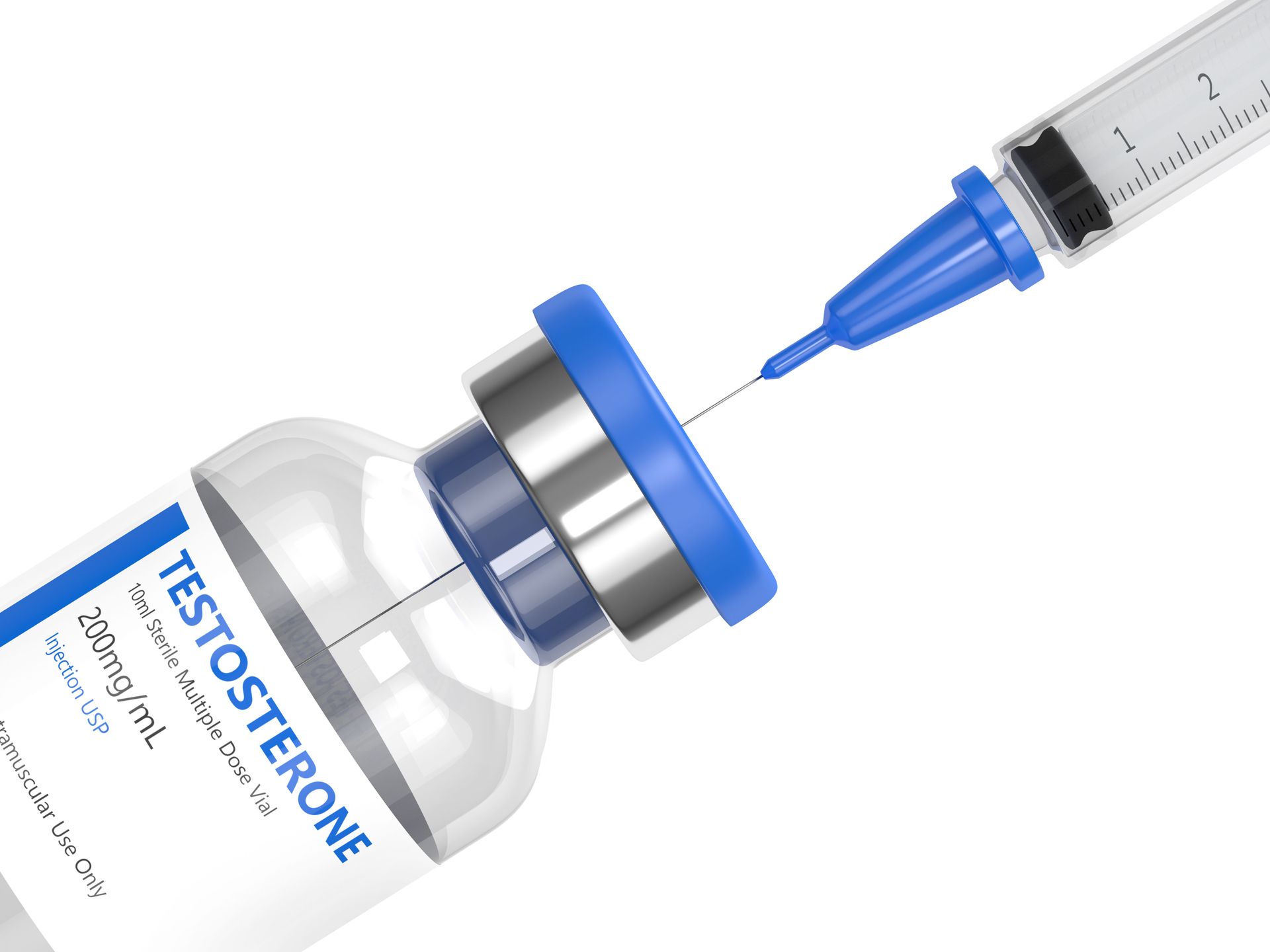
There are several ways to deliver testosterone, and the right option depends on your health, preferences, and lifestyle. Common methods include injections, topical gels or creams, skin patches, and pellets placed under the skin that release hormones over several months. Each option has its own schedule, benefits, and considerations. Some men prefer the convenience of less frequent dosing, while others want more flexibility to adjust their treatment. A physician can explain the pros and cons of each method and help you choose the one that best fits your needs. Factors like your daily schedule, comfort with self-administered treatments, and how often you can attend follow-up visits may all influence the decision. Testosterone therapy should always be tailored to the individual rather than following a one-size-fits-all approach.
Weighing the Risks and Monitoring Your Health
Like any medical treatment, hormone therapy comes with potential risks and side effects. These may include increased red blood cell counts, acne, fluid retention, breast tenderness, reduced sperm production, and changes in cholesterol levels. Men who are planning to have children should discuss fertility concerns with their doctor before starting treatment, since testosterone can affect sperm production. Treatment may not be recommended for men with certain conditions, including some prostate or breast cancers. Regular follow-up appointments and lab work are an important part of safe care. Ongoing monitoring allows your physician to adjust dosing, track progress, and catch potential issues early. Responsible testosterone therapy always includes careful supervision by a qualified medical provider.
Knowing When to Talk to a Doctor
If you're over 45 and have been dealing with persistent fatigue, low libido, mood changes, or difficulty maintaining muscle, it may be worth having your testosterone levels checked. You don't need to wait until symptoms become severe. Early evaluation can provide peace of mind, help rule out other conditions, and open the door to treatment options if they're needed. Even if your levels turn out to be normal, a conversation with your doctor can help uncover other factors affecting your health and point you toward solutions. Bringing a list of your symptoms, current medications, and questions to your appointment can help make the visit more productive. Taking a proactive approach is one of the best ways to protect your energy, confidence, and long-term well-being.
At the practice of Dr. Mark Neumann, we understand that changes in energy, mood, and performance can affect every part of your life. We take a thorough, individualized approach to evaluating men's hormone health, starting with a detailed conversation about your symptoms and comprehensive lab testing to get a clear picture of what's going on. If low testosterone is confirmed, we'll walk you through your options and create a personalized testosterone therapy plan designed around your health and goals. Our team provides ongoing monitoring and support so you can feel confident in your care every step of the way. If you're ready to find out whether
testosterone therapy could help you feel like yourself again, contact Dr. Mark Neumann today to schedule a consultation.