November 11, 2026
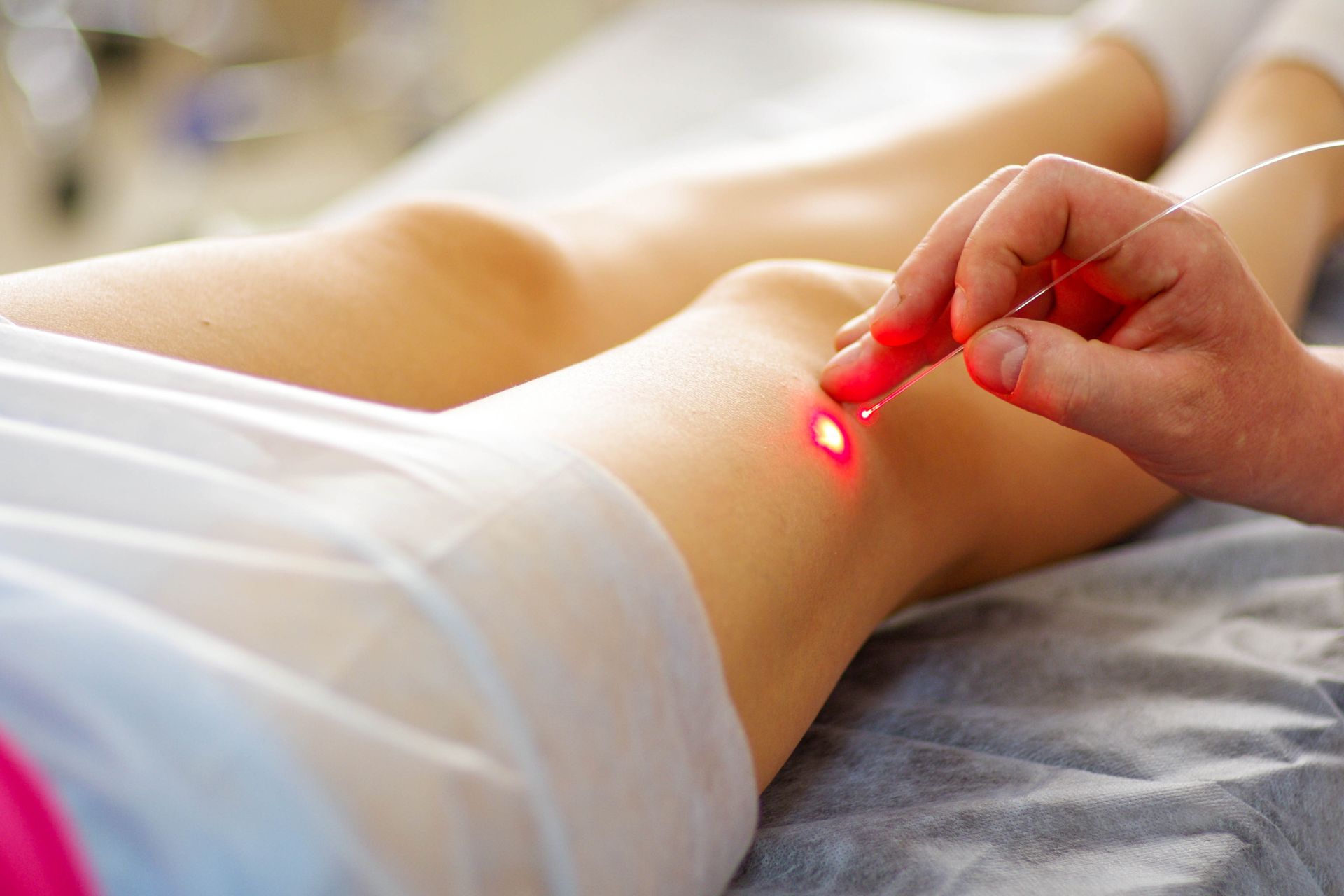
Cold laser therapy, also known as low-level laser therapy or photobiomodulation, uses low-intensity light directed toward a specific area of the body. Unlike surgical lasers, it is designed to stimulate biological responses without cutting or deliberately heating tissue. Healthcare professionals may use this approach to address certain types of pain, inflammation, and tissue recovery concerns. Its suitability depends on the diagnosis, available research, and the patient's overall health.
This treatment is not a universal solution for every injury or medical condition. Research has identified potential benefits in selected applications, but results vary depending on the condition and treatment protocol. A healthcare provider can explain the intended outcome and whether other treatments are necessary. Understanding these limitations helps patients establish realistic expectations before beginning care.
Addressing Muscle Strains and Sports Injuries
Muscle strains, minor sprains, and other activity-related injuries can cause soreness, swelling, and restricted movement. Some clinicians use cold laser therapy as an additional treatment intended to ease symptoms and support the recovery process. It may be incorporated into a broader plan that includes rehabilitation and other appropriate medical care. The recommended approach depends on the injury's location, severity, and stage of healing.
Not every injury responds the same way, and light therapy should not replace a thorough assessment. Significant pain, persistent swelling, or difficulty using an affected limb may indicate an injury requiring specific treatment. A clinician can determine whether the problem involves a muscle, ligament, tendon, or another structure. Patients should ask which improvements are realistic and how progress will be evaluated throughout treatment.
Managing Tendon and Joint Discomfort
Tendons connect muscles to bones, and irritation in these structures can make everyday movements uncomfortable. Conditions such as tendinitis and certain repetitive-use injuries have been studied in relation to low-level light therapy. Some findings suggest possible symptom relief, although the strength of evidence varies by condition and treatment method. A clinician may consider this approach when discomfort interferes with movement or rehabilitation.
Joint pain is another area where researchers have examined potential applications. Studies have investigated symptoms associated with osteoarthritis and other musculoskeletal conditions, including stiffness and discomfort during movement. However, findings are not consistent enough to conclude that treatment benefits every patient or prevents joint deterioration. A medical professional can explain whether this option is appropriate alongside established approaches for managing joint symptoms.
Relieving Neck and Back Pain
Neck and back pain may develop because of muscle tension, repetitive activity, strain, or underlying medical conditions. Some practitioners use cold laser therapy to help manage selected pain presentations, particularly when soft tissues may contribute to discomfort. The intended benefit is symptom relief that could support mobility and participation in a broader rehabilitation plan. Treatment suitability depends on the cause of the pain rather than its location alone.
Persistent or unexplained discomfort deserves medical evaluation before treatment begins. Severe pain, progressive weakness, numbness, fever, or symptoms following significant trauma may require prompt assessment. Changes in bladder or bowel function alongside back pain also warrant urgent medical attention. A clinician can determine whether further testing, medication, rehabilitation, or another intervention is appropriate before considering complementary treatment.
Evaluating Nerve-Related Symptoms
Certain nerve-related conditions, including carpal tunnel syndrome, have been examined in studies of low-level light therapy. This condition involves pressure on a nerve at the wrist and may cause tingling, numbness, pain, or weakness in the hand. Some research suggests potential short-term symptom improvement, but results vary according to treatment settings and study methods. Light therapy should not be assumed to eliminate the underlying pressure on the nerve.
Persistent tingling, reduced grip strength, or symptoms that interfere with daily activities deserve professional evaluation. A healthcare provider can distinguish nerve compression from other possible causes and explain appropriate options. Depending on the diagnosis, care may involve splinting, medication, specialist evaluation, or other interventions. If cold laser therapy is being considered, ask how its potential benefits compare with other available treatments and whether it addresses the main cause of the symptoms.
Supporting Selected Wound and Tissue Recovery
Low-level light therapy has also been investigated for certain wounds and soft-tissue recovery applications. Researchers have explored whether particular light treatments may influence biological processes associated with tissue repair. However, outcomes differ according to wound type, treatment parameters, and individual health factors. A clinician may consider this approach as an adjunct to appropriate wound care rather than a replacement for standard treatment.
Wounds that become increasingly red, swollen, painful, or warm require medical attention, particularly when infection is possible. People with diabetes, circulation problems, or immune-system concerns may need specialized evaluation because healing can be more complicated. A professional should identify potential complications and determine the appropriate course of care. Any treatment plan involving light therapy should include realistic expectations and a method for monitoring changes in the affected tissue.
Examining Inflammatory and Oral Conditions
Researchers have examined low-level light therapy for selected inflammatory conditions and oral health concerns. In dentistry, applications have included discomfort following certain procedures and oral mucositis associated with cancer treatment. Evidence varies between these applications, and results from one condition should not automatically be applied to another. The treating professional should explain the intended use and the research supporting that particular application.
People with chronic inflammatory or autoimmune disorders should consult the clinician managing their condition before adding a new treatment. Light therapy may not address the underlying disease process and should not replace prescribed medication without medical direction. Treatment decisions need to account for current therapies, symptom severity, and other health considerations. The potential value of an additional intervention depends on the diagnosis and the goals established with the care team.
Understanding Wavelengths and Treatment Parameters
The wavelength and intensity of the light can influence how treatment is delivered and which tissues it targets. According to Healthline, superficial tissues are commonly treated with wavelengths ranging from 600 to 700 nanometers, while longer wavelengths may be used when deeper penetration is intended. These ranges do not guarantee a particular outcome because results also depend on dosage, device characteristics, and the treatment protocol. Professional assessment helps determine which settings are appropriate for the intended application.
Patients can ask which area will be treated, how long appointments typically last, and how many sessions may be recommended. It is also important to discuss possible side effects, precautions, and circumstances in which treatment may not be suitable. Share relevant medical conditions, medications, and other therapies with the treating professional. Understanding these practical details can help patients evaluate the potential benefits and limitations of cold laser therapy.
The conditions discussed here vary considerably, and the research supporting low-level light therapy is not equally strong across every application. A recent umbrella review found potential benefits in selected areas but also highlighted inconsistent findings, limitations in review quality, and incomplete reporting of adverse events. Consequently, decisions should be based on the specific diagnosis and a qualified healthcare professional's recommendations. No single treatment should be presented as a guaranteed solution for pain, inflammation, or tissue recovery.
Dr. Mark Neumann can help evaluate your symptoms, review relevant health information, and discuss appropriate care options. Our goal is to help patients understand the purpose of a proposed treatment, its potential risks, and the evidence relevant to their needs. A consultation can clarify whether
cold laser therapy may complement other treatments or whether a different approach is more appropriate. Contact Dr. Mark Neumann to discuss your concerns and explore care options suited to your individual health needs.