November 25, 2026
Non-invasive light-based medical treatments use focused wavelengths to stimulate cellular repair, calm inflammation, and regenerate damaged tissue without surgery or medication. Because these procedures offer targeted relief with minimal side effects, they have grown increasingly popular for musculoskeletal pain, sports injuries, and chronic conditions. Knowing what happens before, during, and after your appointment helps you walk into the clinic feeling informed, comfortable, and confident about your care plan.
Understanding each stage of a clinical visit also removes the uncertainty that often surrounds modern photomedicine. From the initial intake screening and specialized protective eyewear to the precise calibration of wavelength output and post-visit recovery guidance, every step is structured around patient comfort and biological efficacy. Walking through the entire appointment timeline prepares you to ask thoughtful questions and get the strongest possible results from your care.
Preparing for Your Appointment
Reviewing Patient Medical History
Before starting a laser therapy session, your healthcare provider reviews your medical records, past surgeries, current medications, and overall health goals. Identifying potential contraindications—such as photosensitivity, active malignancies, pregnancy over specific regions, or light-sensitizing prescriptions—ensures the procedure remains safe and appropriately tailored. A thorough clinical intake allows your provider to design a treatment plan centered on your exact recovery needs while establishing clear baseline pain and mobility scores to measure future progress.
Explaining the Procedure and Addressing Concerns
Once your clinical history is reviewed, your practitioner walks you through every phase of the upcoming session in plain, approachable language. Explaining what the applicator looks like, how long the light will be applied, and what mild warming sensations to expect eliminates anxiety before the device is ever turned on. Patients are encouraged to share questions about past treatments or sensitivity levels, building open communication and trust between patient and clinician from the very beginning.
Customizing Wavelength and Treatment Parameters
Every condition responds differently to light energy, so practitioners tailor wavelength, power intensity, and pulsing frequencies before activating the device. Superficial skin, fascia, or tendon concerns typically call for lower-level cold wavelengths, while deeper joint, ligament, or muscle injuries benefit from higher-intensity penetration capable of reaching several centimeters beneath the surface. Personalizing these technical settings maximizes cellular absorption while keeping the experience completely comfortable.
Understanding the Therapeutic Mechanisms
Stimulating Cellular Energy Through Photobiomodulation
Modern laser therapy relies on photobiomodulation, a biological process in which specific light wavelengths penetrate the skin and are absorbed by cellular mitochondria, particularly an enzyme called cytochrome c oxidase. This light absorption boosts adenosine triphosphate (ATP) production, giving damaged cells the extra metabolic energy required to repair tissue faster. At the same time, increased microcirculation and nitric oxide release bring fresh oxygen and nutrients to the injured area while flushing out inflammatory byproducts.
Distinguishing Between Low-Level and High-Intensity Devices
Clinical light devices generally fall into two primary categories, low-level (cold) emitters and Class IV high-intensity therapeutic systems, each serving distinct clinical purposes. Low-level emitters deliver gentle energy ideal for delicate nerves, superficial tendons, and acute inflammatory flare-ups without generating noticeable heat. High-intensity systems deliver greater photon density over broader tissue volumes, allowing deeper penetration into large muscle groups, hip joints, or spinal structures within shorter appointment windows.
Comparing Light Treatments With Traditional Options
Unlike oral pain medications that carry systemic side effects, gastrointestinal irritation, or dependency risks, targeted light treatments address discomfort directly at its cellular source without downtime. Compared to invasive corticosteroid injections or surgical interventions, non-thermal light application preserves surrounding tissue integrity while encouraging genuine structural healing rather than masking symptoms. Many clinics also pair laser therapy with physical rehabilitation, chiropractic care, or therapeutic stretching to accelerate overall mobility gains and produce stronger, longer-lasting relief.
Experiencing the Treatment Process
Applying Focused Light Across Targeted Zones
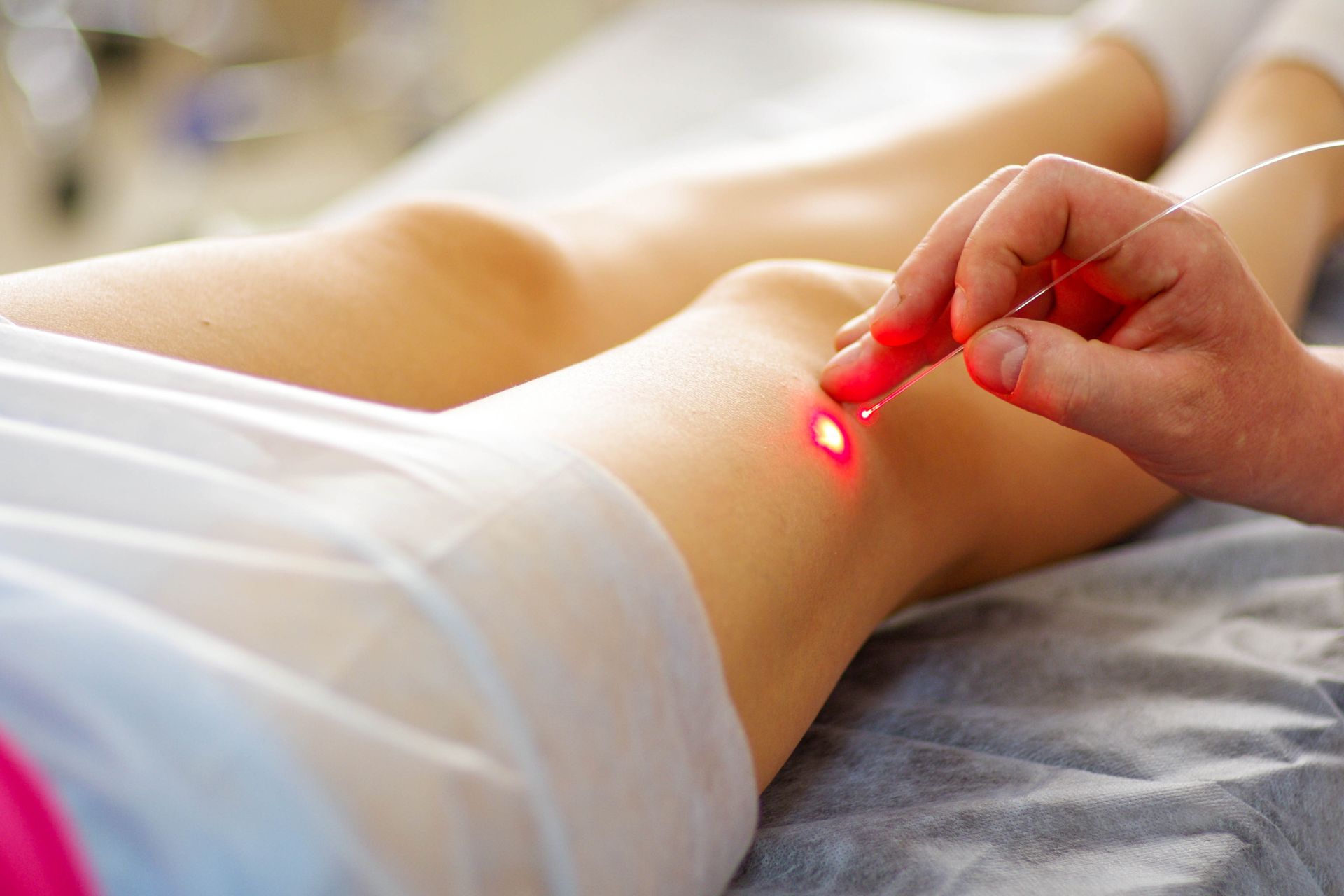
During the active phase of laser therapy, the clinician moves the handheld applicator steadily in a methodical overlapping grid or circular pattern across the injured tissue. According to the National Institutes of Health, cold laser therapy sessions are notably brief, typically lasting between 3 and 20 minutes depending on the size and depth of the treatment area. Depending on the anatomical structure being treated, your provider may use a direct skin-contact massage ball attachment to compress superficial tissue and improve light penetration into deeper trigger points.
Monitoring Feedback and Making Real-Time Adjustments
Your provider continuously observes skin response and checks in on your comfort level while administering laser therapy. Because individual skin pigmentation, tissue density, and local circulation affect how warmth is perceived, your feedback guides real-time refinements throughout the visit. If an area feels overly warm or sensitive, the clinician can adjust power output, sweep speed, or pulsing intervals on the spot, keeping every minute of your appointment safe, responsive, and effective.
Managing Post-Session Care and Recovery
Observing Immediate Sensations and Aftercare Guidelines
As soon as the session wraps up, you can return immediately to normal daily activities without anesthesia recovery, bandages, or downtime. Many patients notice an immediate reduction in joint stiffness, improved range of motion, or a pleasant lingering warmth around the treated muscle. Your practitioner provides simple aftercare instructions—such as drinking plenty of water to support cellular metabolism and avoiding heavy, strenuous overexertion for the rest of the day—while explaining rare, mild side effects like temporary skin redness.
Scheduling Follow-Up Visits for Cumulative Results
While acute flare-ups sometimes improve noticeably after one or two visits, chronic musculoskeletal conditions generally respond best to a structured series of sessions. Because cellular repair and collagen remodeling build cumulatively over days and weeks, your provider tracks symptom changes and functional milestones at each follow-up to fine-tune intensity and visit spacing. Staying consistent with your recommended schedule helps lock in durable tissue healing and long-term pain relief.
Documenting Progress and Refining Future Protocols
At each return visit, your clinician records updates in pain levels, joint flexibility, sleep quality, and daily physical tolerance to evaluate how your tissues are responding. Reviewing this ongoing feedback allows your care team to shift protocols smoothly from acute inflammation control toward deeper tissue strengthening and functional recovery. This iterative, data-informed approach ensures your treatment evolves alongside your healing milestones rather than following a rigid, one-size-fits-all template.
Supporting Long-Term Healing Outcomes
Sustaining Progress Through Healthy Daily Habits
Extending the benefits of laser therapy often involves pairing clinical sessions with supportive daily habits at home. Targeted mobility exercises, balanced anti-inflammatory nutrition, restorative sleep, and proper workplace ergonomics protect healing tissues from repetitive strain. Viewing light-based care as part of a broader wellness routine strengthens tissue resilience, helps prevent recurring flare-ups, and keeps you moving comfortably in everyday life.
Recognizing When to Seek Ongoing Maintenance Care
Once your primary recovery goals are achieved, periodic maintenance visits can help manage high physical workloads, athletic training demands, or recurring age-related joint stiffness. Proactive check-ins address minor tissue tension early before it escalates into a full inflammatory flare-up requiring intensive intervention. Discussing long-term wellness strategies with your provider ensures you maintain peak mobility and comfort well after your initial care plan concludes.
A structured light-based treatment appointment follows a clear, patient-centered sequence, from careful medical screening and eye protection to calibrated photobiomodulation and practical aftercare guidance. By stimulating natural cellular energy without invasive procedures or recovery downtime, this modern approach helps patients overcome stubborn pain and restore everyday mobility safely. To learn how personalized light-based care can support your recovery, schedule a consultation with Dr. Mark Neumann today.