July 23, 2026
Patients across Northwest Ohio and Southeast Michigan are increasingly seeking out non-invasive therapeutic options that support healing without the side effects or recovery demands associated with more aggressive medical interventions. The desire for treatments that work with the body's natural processes rather than against them has driven significant interest in light-based therapies that address pain, inflammation, and tissue repair at the cellular level. As awareness of these options grows and more patients share their positive experiences, the conversation around non-pharmaceutical pain management and wellness support is expanding in meaningful and encouraging ways. Understanding what this treatment involves and why so many patients are drawn to it gives every prospective patient a clearer picture of whether it might be a worthwhile addition to their own health and wellness plan.
Appreciating How Time-Efficient Each Session Actually Is
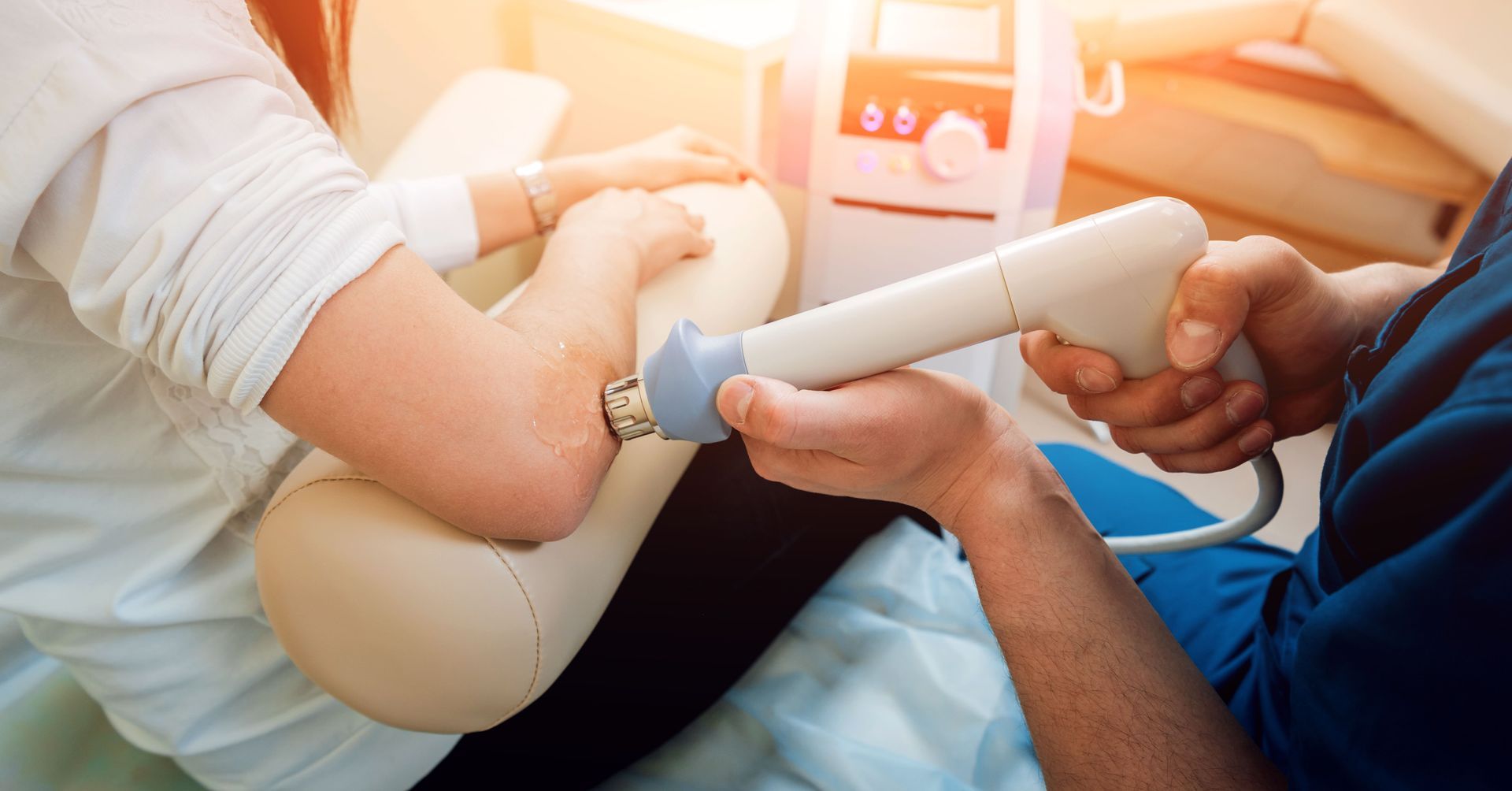
According to the NIH, each cold laser therapy session is typically short, ranging from 3 to 20 minutes depending on the area being treated, which makes it one of the most time-accessible therapeutic interventions available to patients who have busy schedules and cannot commit to lengthy treatment appointments regularly. Therapy sessions that fit within a typical lunch break or between other appointments remove one of the most common logistical barriers that prevent patients from pursuing consistent treatment for chronic pain and inflammatory conditions that require regular professional attention to manage effectively over time. The brevity of each session does not diminish its therapeutic value — the light energy delivered during even a short treatment interacts with targeted tissues at the cellular level in ways that initiate healing and anti-inflammatory responses that continue beyond the session itself throughout the hours and days that follow each treatment visit.
Addressing Pain Without Relying on Pharmaceutical Intervention
One of the most significant drivers of patient interest in this treatment is the growing desire to manage chronic and acute pain conditions through approaches that do not add to the pharmaceutical load the patient is already managing for other health conditions, or that allow some patients to reduce their dependence on pain medications that carry side effect profiles and long-term use considerations that affect quality of life. Cold laser therapy targets the biological mechanisms of pain and inflammation directly at the tissue level using specific wavelengths of light that penetrate the skin and stimulate cellular responses that reduce inflammatory markers and support the tissue repair processes that address the underlying source of the pain rather than simply suppressing the pain signal at a systemic level. Patients who have been managing pain with medications for extended periods and who are looking for complementary or alternative approaches to support their ongoing wellness goals consistently find this treatment worth exploring as part of a more comprehensive pain management strategy that addresses multiple dimensions of the problem simultaneously.
Supporting Tissue Repair and Accelerating Recovery
The ability of specific light wavelengths to stimulate the mitochondria within cells — increasing the production of adenosine triphosphate, the molecule that powers cellular repair processes — is the fundamental mechanism through which this treatment accelerates tissue healing in ways that benefit patients recovering from injuries, surgical procedures, and the chronic tissue damage associated with conditions like arthritis and tendinopathy. Cold laser therapy applied to damaged or inflamed tissues creates a cellular environment that is more conducive to repair and regeneration than what the body would achieve through natural healing processes alone, which is why patients frequently report faster recovery timelines and more complete resolution of their symptoms compared to what they experienced with rest and conservative care without light-based therapy. The non-thermal nature of the treatment means that this accelerated healing effect is achieved without generating heat at the treatment site, which makes it safe for use over sensitive areas and for patients whose conditions would contraindicate the application of heat-based therapeutic modalities.
Complementing Functional Medicine for a Whole-Body Approach
Patients who are already engaged with a functional medicine approach to their health naturally find that light-based pain therapy aligns well with the broader philosophy of identifying and addressing the root causes of health conditions rather than managing symptoms in isolation from the underlying biological environment that is producing them. Cold laser therapy integrated into a comprehensive wellness plan that also includes nutrition counseling, peptide therapy, and hormone management creates a multi-dimensional therapeutic environment where different treatments support and amplify each other's effects rather than operating independently with no consideration of how each intervention interacts with the others the patient is receiving. A physician who takes a holistic view of each patient's health history, current concerns, and long-term wellness goals is best positioned to identify when this treatment represents the most appropriate addition to the patient's existing care plan and to coordinate it with other therapeutic interventions for the most complete and most effective overall outcome.
Making Pain Management Accessible Through a Low-Risk Profile
The risk profile of this treatment is one of the most frequently cited reasons that both patients and practitioners find it appealing as a therapeutic option, because it delivers its therapeutic effects without the side effects, drug interactions, or invasive procedures that other pain management approaches require the patient to accept as the cost of accessing the treatment's benefits. Cold laser therapy is non-invasive, does not require anesthesia or recovery time, and produces no thermal damage to the treatment site, which means patients can return to their normal daily activities immediately after each session without the restrictions that more invasive therapeutic procedures typically impose on the patient's schedule and physical activity for defined periods following each treatment. The combination of meaningful therapeutic effect and minimal risk makes this treatment particularly attractive to patients who have been reluctant to pursue pain management options that carry greater procedural risk or that require extended recovery periods that would disrupt their work, family, and social commitments throughout the treatment course.
Integrating Treatment Into a Weight Loss and Metabolic Wellness Plan
Patients who are working to achieve weight loss goals through medically supervised programs often discover that pain and inflammation are significant barriers to the physical activity and lifestyle engagement that support lasting metabolic change, and addressing those physical barriers through therapeutic pain management can meaningfully improve the patient's ability to participate in the exercise and daily movement that their weight loss plan requires. Cold laser therapy applied to areas of chronic pain and inflammation that are limiting a patient's physical activity gives the body a more functional foundation from which to engage with the movement-based components of a comprehensive weight loss program that includes GLP-1 injections, HCG injections, fat-burning injections, and nutritional support. The integration of pain management with metabolic wellness through a single physician-led practice that understands how each element of the patient's health affects the others produces more cohesive and more effective results than managing each condition separately with different providers who have no shared visibility into the patient's complete health picture.
The growing patient interest in non-invasive, time-efficient, and low-risk therapeutic options reflects a broader shift toward health management approaches that support the body's natural healing processes while minimizing the burdens that more aggressive interventions impose on daily life. Dr. Mark Neumann has proudly served patients throughout Lambertville, MI, Toledo, OH, and surrounding communities in Northwest Ohio and Southeast Michigan since 1981, offering cold laser therapy, pain laser treatments, functional medicine, peptide therapy, testosterone therapy, bioidentical hormone replacement therapy, natural hormone replacement therapy, nutrition counseling, nutritional products, medically supervised weight loss, GLP-1 injections, HCG injections, and fat-burning injections, all backed by over 40 years of medical expertise, a two-year fellowship in anti-aging and functional medicine, Diplomate status with the American Academy of Anti-Aging Medicine, and the personalized, whole-patient care philosophy that has made this practice one of the most trusted wellness resources in the region. For more information, contact us today!